Interested in talking about whether EMDR is right for you?
Support with your mental health is available with Dr Kaur, if you’d like to explore it.
A free 15-minute consultation is a simple, pressure-free way to explore what support could look like.
Get Your Free Guide: Break the Imposter Cycle

Eye Movement Desensitisation and Reprocessing (EMDR) has gained popularity for its effectiveness in treating emotional wounds. For individuals seeking a more concentrated and accelerated healing experience, EMDR intensives offer a unique and profound approach.
A focused EMDR intensive gives you more time for trauma processing, while keeping preparation and safety at the centre.
This package includes:
• Free 15-minute suitability check call
• Comprehensive 1-hour assessment
• Clinical questionnaires and baseline measures
• Personalised preparation workbook
• Workbook sent around one month before your intensive
• Time to reflect and prepare at your own pace
• Feedback on workbook and screening questionnaires
• Preparation pack
• Clear focus for the intensive work
• Three focused EMDR processing sessions
• Grounding and regulation strategies
• Time for integration and reflection
• Next-step planning after the intensive
• Optional review session if needed
Fee: £1,500
The aim is not to rush trauma work. It is to create enough time, structure and safety for deeper processing to happen.
EMDR intensives are focused treatment sessions that immerse individuals in the therapeutic process over a relatively short period. Unlike traditional weekly sessions, intensives provide a deep and concentrated therapeutic experience designed to maximise the brain’s natural healing abilities and accelerate progress.
An EMDR intensive can be helpful when you want focused trauma work in a shorter timeframe. But it is not right for everyone at every stage. The suitability check and assessment help us decide whether this is a safe and appropriate option for you.
You want focused work on a specific memory, theme or trigger
Weekly therapy feels too slow or hard to fit in
You have already done some therapy and want a deeper piece of work
You can make space before and after sessions for preparation and integration
You are currently in crisis
You feel unable to stay grounded during emotional work
You do not have enough privacy for online sessions
There are current safety concerns that need stabilising first
You need regular weekly support before focused trauma processing
That is exactly what the free 15-minute suitability check is for. We can talk through what you are looking for, whether an EMDR intensive feels appropriate, and whether another option would be safer or more useful.
You don’t need to decide this alone.
Five Days to Unstuck is my focused online EMDR intensive package for people who want structured trauma processing without committing to months of weekly therapy.
The package is designed to:
It usually includes preparation work in the weeks before the intensive, focused EMDR processing sessions, and time for grounding, reflection and integration.
This is not about rushing your healing. It is about creating enough time and structure for deeper work to happen safely.
One of the most significant advantages of EMDR intensives is the potential for rapid progress. In traditional therapy, it may take several weeks or months to work through complex trauma, while intensives condense the timeline, allowing for significant strides in just a few days.
Intensive therapy creates a focused and experiential environment for processing to occur, providing a deep dive into the healing process. This concentrated approach can lead to increased insights, breakthroughs, and a more comprehensive resolution of trauma within a shorter period of time.
In a weekly session therapy setting, the time between sessions can sometimes lead to a loss of momentum and focus. EMDR intensives eliminate this gap, ensuring consistent and continuous therapeutic work, which can be particularly beneficial for individuals who are short on time given their job or family commitments.
During an intensive, participants have the opportunity to establish a strong therapeutic alliance in a condensed timeframe. This safe and supportive environment, free from the distractions of daily life, enhances the effectiveness of the therapeutic process.
The process will involve:
Online EMDR intensives can work well. This article by the EMDR Association UK highlights this. but safety and preparation matter.
This one also shows that it is just as safe and effective as in person EMDR.
As a clinical Psychologist, I take safety seriously.
Before the intensive, we will agree how the sessions will run, what you need at home, and what we will do if you feel overwhelmed.
For online sessions, you will need:
• A private space where you will not be interrupted
• A stable internet connection
• A laptop or larger screen where possible
• Water, tissues and anything that helps you feel grounded
• Time after the session to rest and integrate
• A plan for what to do if the connection drops
During the intensive, we will build in grounding, breaks and pacing. EMDR is not about pushing through. If something feels too much, we slow down, pause, or return to stabilisation.
The aim is to create a focused but contained therapeutic space, even though we are working online.
EMDR is a well-established trauma therapy and is recommended in UK guidance for PTSD. Intensive trauma-focused therapy is also being studied as a way of helping people access focused treatment over a shorter period of time.
Some research suggests that intensive trauma-focused programmes, including EMDR, can reduce PTSD symptoms for many people. But this does not mean that intensive EMDR is right for everyone.
Suitability, preparation, pacing and safety still matter. That is why I use a suitability check, assessment, questionnaires, preparation work and grounding strategies before and during the intensive.
We won’t rush trauma therapy. We will create enough structure, time and clinical containment for focused trauma processing to happen safely.
Further reading: NICE PTSD guidance; research on intensive trauma-focused treatment including EMDR.
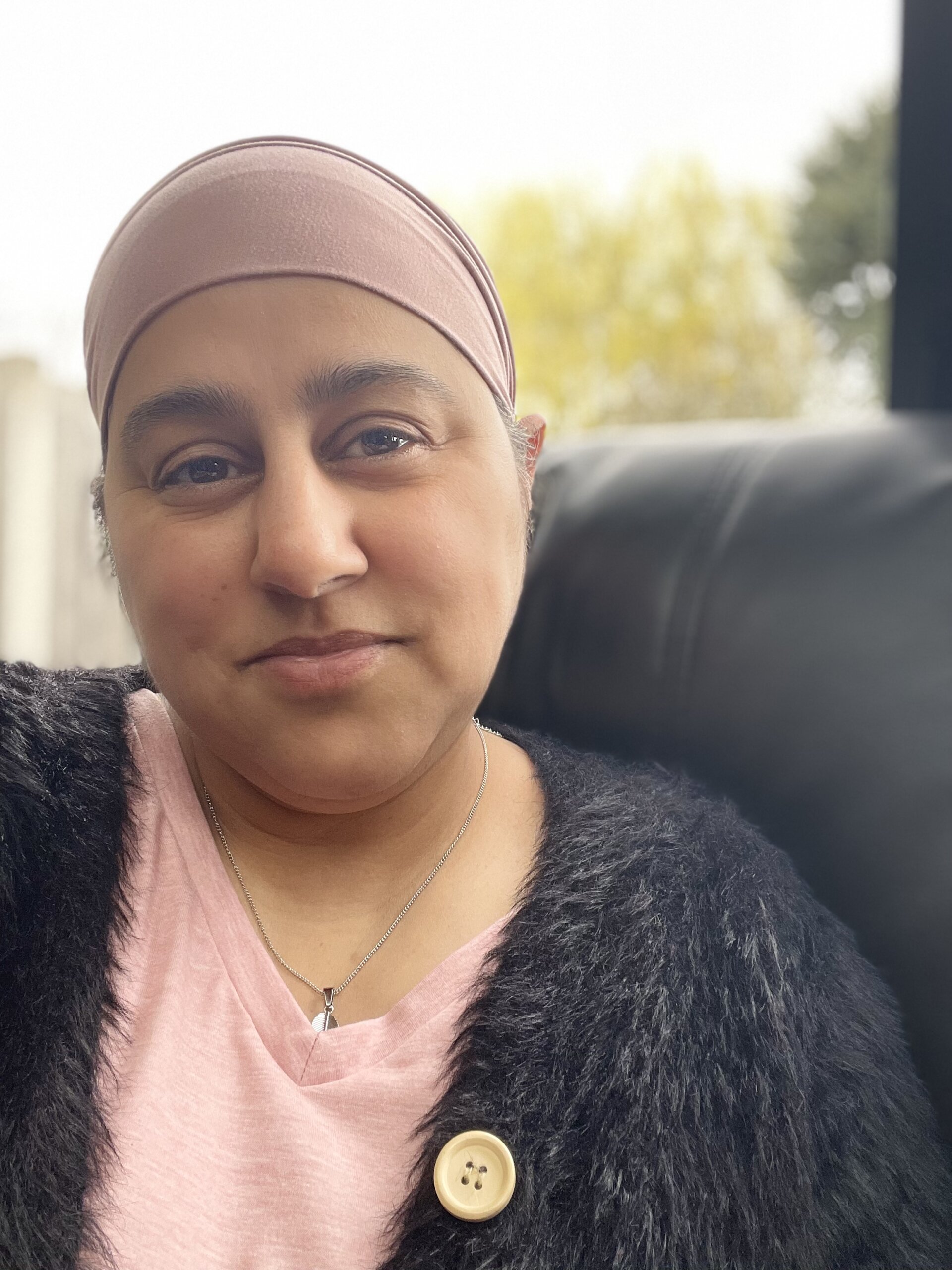
EMDR intensives need more than a longer appointment. They need careful assessment, preparation, pacing and clinical judgement.
I am an IFS trained Clinical Psychologist and EMDR Practitioner with 25 +years experience supporting adults with trauma, grief, anxiety, self-worth difficulties, imposter patterns and emotionally stuck places.
I am also someone who understands pain from a personal perspective as I grew up with a sibling who had psychosis who recently passed. I know how hard it is to find answers when the world seems blurred.
My approach is warm, structured and clinically thoughtful. I do not offer intensives to everyone as readiness, safety and suitability are all important.
If we do work together, the intensive will be focused around your needs, your history and your capacity. The aim is not to push through trauma. The aim is to create enough safety, time and structure for meaningful processing to happen.
After an EMDR intensive, your brain and body may need time to integrate the work. Some people notice shifts quite quickly. Others notice changes more gradually over the following days or weeks.
At the end of the intensive, we will think together about what has changed, what still needs support, and what would be helpful next.
This may include:
• Rest and gentle grounding after the sessions
• Noticing changes in triggers, emotions or body responses
• Using the strategies from your preparation work
• Returning to weekly therapy if you already have a therapist
• Booking a review session if further support is needed
• Planning future work if there are other memories or themes to process
The aim is not to force everything into one intensive. The aim is to work with a clear focus, support integration, and help you leave with a better sense of what has shifted and what comes next.

EMDR intensives offer a powerful and transformative approach to trauma therapy, providing individuals with an opportunity to accelerate healing in a focused and supportive environment. EMDR intensives can be particularly beneficial for those seeking concentrated and efficient healing.
You may be feeling completely fed up with yourself right now?
Maybe you’re holding back from putting yourself out there, starting a new
hobby/project or going after an opportunity or a relationship you want?
Or perhaps you don’t like the person you’ve become: you’re snapping at your
kids/your partner, feeling envious of others’ achievements or beating yourself up for not being more successful/better.
But everything you’ve tried to fix this just doesn’t seem to be working: maybe it
scratches the surface, but doesn’t really get to the root of the problem. So you can’t make the changes you know you need to make and feel stuck in a loop that’s beginning to feel suffocating and hopeless.
If so, my Five Days to Unstuck: EMDR Intensive for Deep-Healing could be exactly what you need to get ‘unblocked’ and start showing up as the version of you really want (and know is there inside you).
This is not a gimmick, it’s based on real science, clinical experience and strategy.
Many clients choose an EMDR intensive because it allows deep, consistent healing over a few concentrated days instead of spread-out weekly sessions. These EMDR intensives are ideal for people who want to make meaningful progress in a focused timeframe.
How it works
The total cost for this EMDR intensive programme is £1,500.
A 20% deposit (£300) will be expected to be paid in order to secure the intensive slot.
The week before the assessment, the remaining payment of £1,200 will need to be paid.
Support with your mental health is available with Dr Kaur, if you’d like to explore it.
A free 15-minute consultation is a simple, pressure-free way to explore what support could look like.
If you’re feeling stuck with past trauma, anxiety or painful emotional patterns, EMDR therapy can help your brain process experiences that still feel emotionally charged.
First, we identify the memories, events, or beliefs that are affecting your emotional well-being in the here and now. Whether it’s a traumatic event, a challenging life experience, or negative beliefs about yourself, these memories can keep you stuck in painful patterns. We tend to brush these off, but actually, they are often a part of the problem. It’s like a thread from the past to the present, tugging us back towards pain. Our job is to loosen the pull.
We do this by pinpointing difficult memories to help you begin the healing process.
We won’t keep you stuck in the difficult past, we will help you move through it.
Here’s what makes EMDR different: In EMDR, we use bilateral stimulation to help your brain process hard memories in a healthier way. During our online sessions, we’ll activate an alternating rhythm that stimulates both sides of your brain.
But why does this matter?
When we experience trauma or emotional pain, it often feels like our brain gets “stuck” in that moment. This means the memory stays locked in a way that keeps the emotional charge attached to it—making you feel stressed, anxious, or fearful whenever it comes up.
By using bilateral stimulation, we’re helping your brain shift from “survival mode” (where it’s stuck in emotional reactions) to a state of processing and healing. The alternating stimulation gets both sides of your brain to work together in a balanced way, which allows the brain to integrate the memory and reduce its emotional intensity.
Think of it like this: when both sides of your brain are actively engaged, it can take a memory that’s felt overwhelming and process it more completely, helping you move from emotional distress to a place of calm and clarity.
The goal isn’t to forget the memory – it’s to make it less emotionally overwhelming. Over several sessions, you’ll notice that the memories you’ve worked on no longer have the same strong emotional pull. Instead of feeling anxious, fearful, or sad when you think of them, you’ll feel more neutral or at peace.
EMDR also helps you shift your perspective on yourself and your past. As your brain processes those old memories, you’ll start to release negative beliefs and emotional responses that have held you back. You’ll come to a place where you can think about your past with more understanding, less emotional baggage, and a healthier view of yourself.
What sets EMDR apart is that it works directly with how the brain processes distressing experiences, especially when emotions, body sensations and beliefs about yourself are involved.
Rather than only talking through what happened, EMDR uses bilateral stimulation to support the brain’s natural processing system. Over time, memories can feel less emotionally charged and less present in day-to-day life.
EMDR is often used for PTSD and trauma, but it can also be helpful for anxiety, grief, shame, self-worth difficulties and patterns that feel hard to shift through talking alone.
It is not a magic wand, and it is not right for everyone at every stage. That is why assessment, preparation and pacing matter.
If you’re ready to feel lighter, freer, and more in control, EMDR could be the therapy that helps you get there.
Yes. EMDR intensives can be offered online when there is careful preparation, privacy, a stable internet connection and a clear safety plan.
Before we begin, we will talk through what you need at home, how the sessions will run, and what we will do if you feel overwhelmed or if the connection drops.
You do not need to know this on your own. The free suitability check, assessment, questionnaires and preparation workbook all help us decide whether an intensive feels appropriate.
If weekly therapy, stabilisation work or another approach would be safer or more useful, I will tell you.
Sometimes, but not always. Complex trauma often needs careful pacing, preparation and a clear focus.
An intensive may be helpful if we can agree a specific target, theme or stuck point. It may not be the right starting point if you need more stabilisation, regular support or wider therapeutic work first.
That can work well. Some people use an EMDR intensive as a focused piece of trauma processing alongside their existing therapy.
With your consent, I can liaise with your therapist so the work feels joined up and clinically safe.
Possibly. An EMDR intensive can help with a focused area of work, but it is not always the end of therapy.
At the end of the intensive, we will think about what has shifted, what still needs support, and whether a review session, further EMDR or ongoing therapy would be helpful.
We slow down. EMDR is not about forcing you to push through.
We use grounding, pacing, breaks and stabilisation throughout the intensive. If something feels too much, we pause and return to safety.
We will not try to force everything into one intensive. The work will have a clear focus from the start. We work on a case conceptualisation which will give you a clear map on what needs to be done and we pick the part to work on in the intensive. Sometimes that’s enough.
If further work is needed, we can discuss a review session, additional EMDR sessions, or whether returning to ongoing therapy would be more appropriate.
Don’t forget, therapeutic progress happens in parts. Our job is to pick the part.
The current EMDR intensive package fee is £1,500.
This includes the suitability check, assessment, questionnaires, preparation workbook, focused EMDR processing sessions, grounding and integration work, and next-step planning.
Some insurance providers may fund EMDR therapy, but cover for intensives is rare. You would need to check directly with your insurance provider before booking.
If they require specific information, we can discuss what they need during the suitability check.
The first step is to book a free 15-minute suitability check. This gives us a chance to briefly discuss what you are looking for and whether an EMDR intensive may be appropriate.
If it seems like a possible fit, we can then discuss assessment, preparation and available dates.